
Why Ethically Sourced Crystals Cost More
Table of Contents
- The True Cost Breakdown: What You're Actually Paying For
- Fair Wages and Safe Working Conditions in Crystal Mining
- Environmental Protection and Habitat Restoration
- Supply Chain Transparency and Certification Standards
- How to Identify Ethically Sourced Crystals
- How to Buy High Quality Crystals Online
- Spotting the Greenwashing Trap
- Frequently Asked Questions
Last Updated: August 31, 2026
The True Cost Breakdown: What You're Actually Paying For
When you buy ethically sourced crystals, you're funding a system designed to protect people, preserve ecosystems, and maintain transparency from mine to home. The price difference reflects fair wages for miners, environmental restoration, certification, and third-party auditing, costs absent in mass-market crystals. Conventional mining maximizes output while minimizing expenses: workers receive minimal compensation, environmental damage goes unrepaired, and no independent verification confirms ethical claims. When you purchase ethically sourced crystals, you're shifting those externalized costs back into the supply chain where they belong, which inevitably increases the retail price.
Fair Wages and Safe Working Conditions in Crystal Mining
The foundation of ethical crystal sourcing is straightforward: miners deserve compensation that allows them to live with dignity.
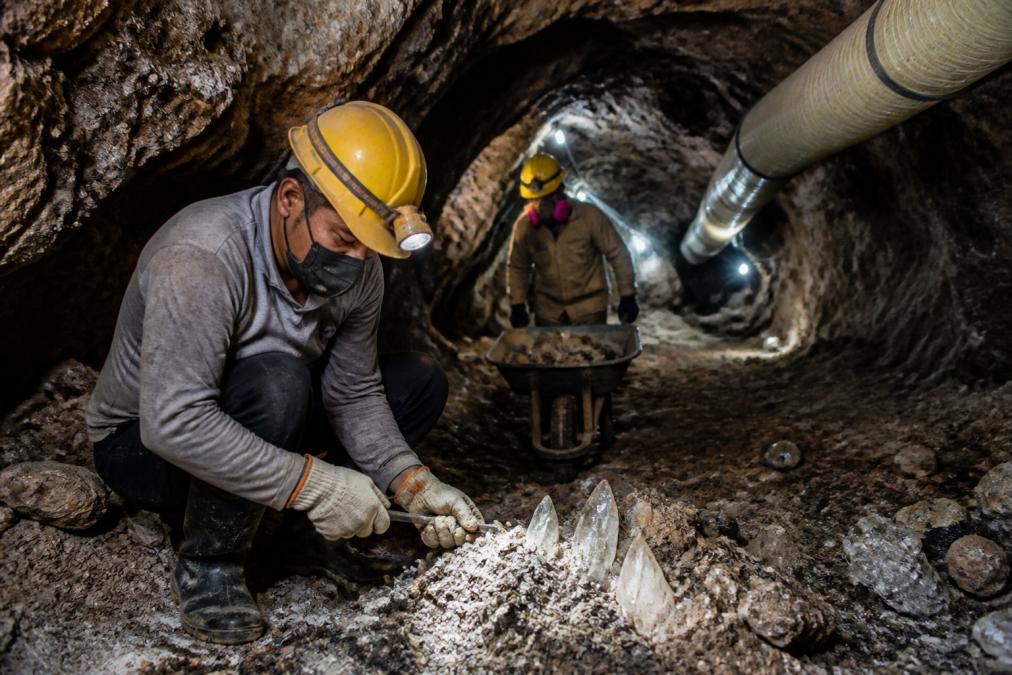
Safe working conditions represent another significant cost. Proper equipment, ventilation systems, protective gear, and regular safety inspections all require investment (osha.gov). Ethical operations implement engineering controls to reduce dust exposure, provide medical monitoring, and maintain equipment that prevents accidents (the CDC). Beyond compensation and safety, ethical operations provide stability and benefits: consistent employment, health insurance, retirement contributions, and educational opportunities for workers' children.
Treating workers well often improves product quality. Ethical operations maintain lower turnover because workers choose to stay, creating experienced teams that produce higher-quality stones with fewer defects. This win benefits both people and the final product.
Environmental Protection and Habitat Restoration
Crystal mining fundamentally alters landscapes. Without restoration efforts, mining sites become ecological dead zones. Ethical operations invest heavily in reversing this damage, and these investments directly impact pricing.
Environmental protection begins before extraction starts. Responsible operations conduct baseline ecological assessments, implement containment systems to prevent toxic chemicals from entering groundwater, and manage water runoff to prevent sedimentation in nearby rivers (the EPA). After extraction, they actively restore sites by replanting native vegetation, reestablishing water systems, and monitoring recovery over years. This long-term financial commitment is built into the pricing of ethically sourced crystals.
Habitat destruction represents a hidden cost in conventional mining. When bulk mining operations remove vegetation and topsoil without restoration, they destroy ecosystems that support local communities and contaminate water supplies. Ethical sourcing internalizes these costs, making them visible in the retail price. Some ethical operations go further by establishing conservation zones, funding wildlife protection programs, or supporting local environmental initiatives.
Supply Chain Transparency and Certification Standards
You cannot verify ethical sourcing without transparency. This means documentation, auditing, and verification systems that track crystals from mine to retailer. These systems are expensive to implement and maintain.
Certification standards provide the framework for verification. Organizations that certify ethical crystal sourcing conduct independent audits of mining operations, labor practices, and environmental management. Auditors spend time on-site, interview workers, review documentation, and test environmental samples. The operation pays for these audits, and costs accumulate across the supply chain.
Traceability systems represent another significant investment. Ethical suppliers maintain detailed records showing where each crystal originated, who mined it, what certifications apply, and how it moved through the supply chain. This documentation allows retailers like Liv Rocks to verify claims and provide customers with genuine transparency.
Third-party auditing adds credibility that marketing claims alone cannot achieve. When an independent certifier verifies claims through documented evidence, it becomes trustworthy. The cost of providing this verification is reflected in pricing.
How to Identify Ethically Sourced Crystals
Identifying truly ethically sourced crystals requires active investigation rather than passive trust in marketing language. Request documentation of certification from recognized certification bodies. Investigate the supply chain backwards by asking where crystals were mined, which company performed extraction, and how the supplier verified that mining practices met ethical standards. Suppliers with genuine transparency can answer these questions with specific names, locations, and documentation.
Look for information about worker conditions. Ethical suppliers can describe wage levels, working hours, safety protocols, and benefits. Check for environmental commitments by asking what restoration efforts the mining operation undertakes and what timeline applies. Evaluate pricing in context: if ethically sourced crystals cost only slightly more than conventional options, something is missing. Research the supplier's reputation through independent reviews, customer testimonials, and industry recognition.
At Liv Rocks, we maintain complete transparency about our sourcing practices. Each crystal is hand-selected for quality and verified for ethical sourcing before it enters our inventory. We provide documentation of certification and can trace each piece back to its origin.
How to Buy High Quality Crystals Online
Buying crystals online introduces additional considerations beyond ethical sourcing. Start by understanding crystal quality metrics: clarity (absence of inclusions or fractures), vibrant and consistent color, well-proportioned cut and shape, and appropriate size for your intended use.
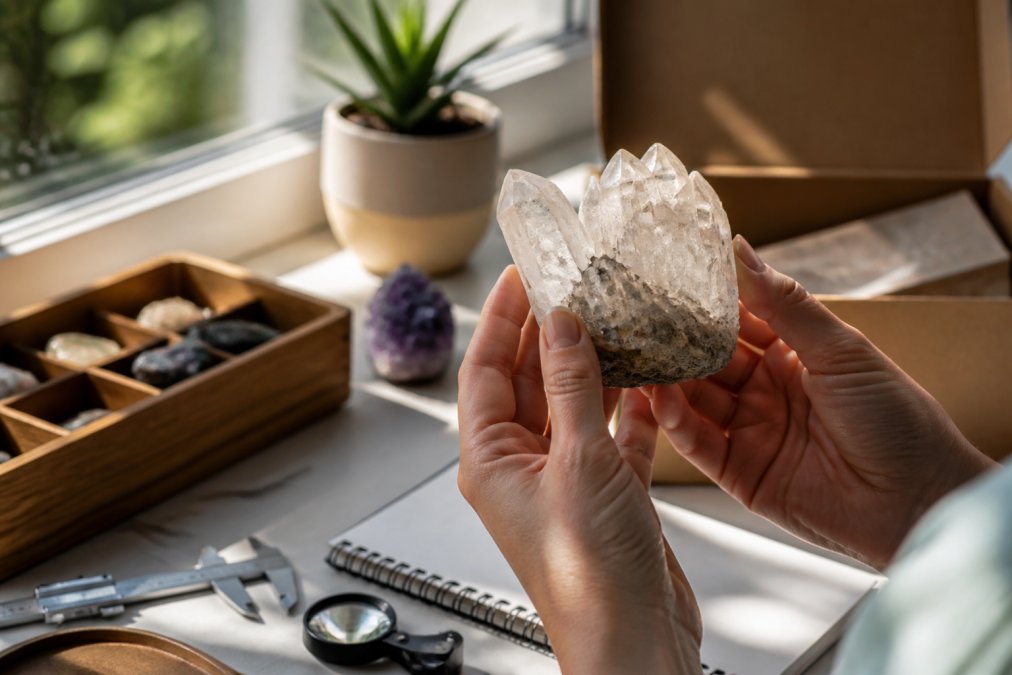
Request detailed photographs from multiple angles showing the crystal's clarity, color, and any natural features or imperfections. Ask about the sourcing location, as different regions produce crystals with distinct characteristics. Understand the difference between raw crystals (which retain their natural form) and polished crystals (which are refined for display).
Review the retailer's return and satisfaction policies. A retailer confident in their quality should offer returns if the crystal doesn't meet your expectations. Check for additional services that indicate quality commitment. At Liv Rocks, every crystal is smudged to clear old energies before shipment, demonstrating care for the spiritual quality of each piece. Verify that the retailer sources from ethical suppliers by asking about certification, worker practices, and environmental commitments.
Spotting the Greenwashing Trap
Greenwashing in the crystal industry means making ethical claims without substantive practices to support them. Common tactics include vague language without specifics: phrases like "responsibly sourced" or "ethically mined" sound good but mean nothing without definition. Another tactic is claiming "fair-trade" status without certification from recognized organizations.
Some suppliers highlight one ethical practice while ignoring others, emphasizing fair wages while remaining silent about environmental practices. Price is a telling indicator: truly ethically sourced crystals cost measurably more than conventional options. Lack of transparency is the ultimate red flag. Ethical suppliers welcome questions about their practices and can provide documentation. If a retailer becomes defensive, refuses to share certifications, or provides vague responses, assume the ethical claims are unsubstantiated.
Genuine ethical sourcing requires investment across the entire supply chain. When you encounter claims that sound ethical but lack supporting evidence, you're likely encountering greenwashing.
Understanding why ethically sourced crystals cost more transforms how you approach purchasing decisions. The price premium reflects genuine investments in fair wages, environmental restoration, and supply chain transparency. When you choose ethically sourced crystals, you're supporting mining practices that protect workers and ecosystems. At Liv Rocks, we're committed to sourcing every crystal with integrity. Each piece is hand-selected, certified for ethical practices, and smudged to clear old energies before it reaches you. When you invest in ethically sourced crystals, you're investing in products that align with your values and support communities where mining occurs. Discover how Liv Rocks's commitment to ethical sourcing can deepen your spiritual practice while supporting responsible mining practices worldwide.
| Ethical Practice | Impact on Cost | Verification Method |
|---|---|---|
| Fair wages | 2-3x increase over conventional rates | Audit documentation, worker interviews |
| Safe working conditions | Equipment, monitoring, compliance systems | Third-party site inspections |
| Environmental restoration | Multi-year recovery projects | Certification standards, site assessments |
| Supply chain transparency | Traceability systems, documentation | Certificate review, origin verification |
| Third-party auditing | Independent verification costs | Certification body records |
Frequently Asked Questions
How can I verify if a crystal was mined ethically?
Look for documentation of the crystal's origin, mining practices, and certifications from recognized ethical sourcing organizations. Ask suppliers directly about their supply chain transparency and whether they conduct audits of mining operations. Request information about fair wages paid to miners and environmental protection measures. Reputable sellers provide traceability details and are transparent about their sourcing practices rather than making vague claims.
What's the difference between mass-market crystals and ethically sourced stones?
Mass-market crystals often come from bulk mining operations that prioritize speed and profit over worker welfare and environmental protection. Ethically sourced crystals involve artisanal or small-scale mining with fair compensation, safe working conditions, and habitat restoration efforts. Mass-market options may involve child labor or unsafe practices, while ethical sourcing ensures workers earn living wages and mining areas are rehabilitated after extraction.
Why do ethically sourced crystals cost more than cheaper alternatives?
The higher cost reflects fair wages for miners, environmental restoration expenses, supply chain auditing, and certification verification. Bulk mining operations cut corners by paying workers below living wages, ignoring environmental degradation, and skipping transparency measures. When you buy ethically sourced crystals, you're paying for integrity in the supply chain, protection of mining communities, and genuine environmental stewardship rather than just the raw material itself.
Can crystals be ethically sourced?
Yes, crystals can be ethically sourced through artisanal mining operations that prioritize fair wages, safe working conditions, and environmental protection. Ethical sourcing means miners receive living wages, work in safe environments without child labor, and mining sites are restored after extraction. Certification standards and supply chain transparency verify these practices. While no mining is completely impact-free, ethical sourcing minimizes harm to workers and ecosystems compared to bulk mining operations.